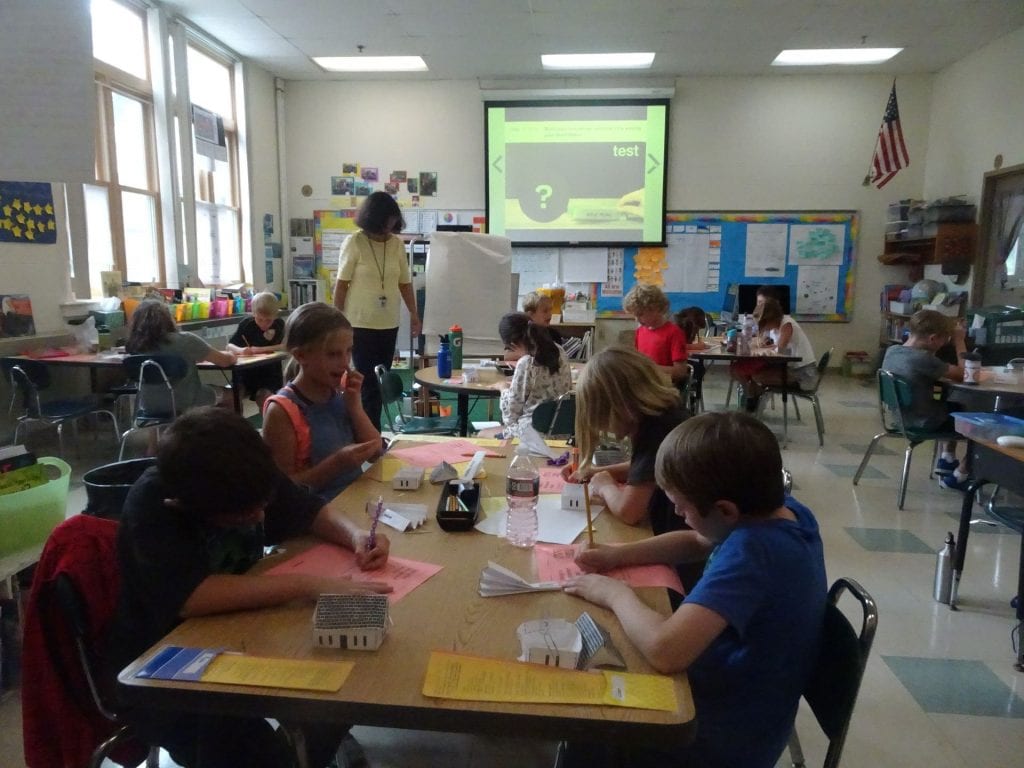
 We are continuing to grow as a classroom of learners, thinker and doers. This week we began to collect reflections on learning, we read more about different types of weather and created a wind experiment. We’ve continued to learn more about multiplication and problem solving. And of course, we read and write some every day as well. This week the class discovered the Who Will Win basket. Many in the class have been passing these books around and talking about their surprise at which animal can defeat the other and how. Some of the children are trying that style or writing out on their own. It’s fun to see how interest grows and spreads across the classroom from reader to reader.
The Theory of Multiple Intelligences – our SEL focus
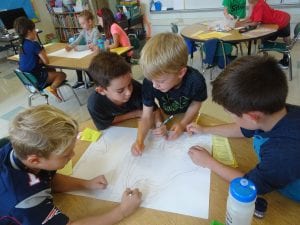 We’ve continued to learn more about the theory of multiple intelligences. This week we’ve completed a couple different questionnaires so the children would know more about themselves as learners. We used the different survey questions to think about how our interests and activities mirror the ways we are smart. It can be surprising to notice how even and balanced we are. I think the children are surprised at the balance they are noticing as well.
We also talked about how intelligence grows. We know we can change and grow in any way we choose. My example is that I am always embarrassed that I cannot dribble a ball and move at the same time. The truth is, I’ve never had the opportunity to learn and I’ve never taken the time to practice. Clearly, if that skill truly mattered to me, I’d practice until I could do it. That is the case for them too. They can do anything they choose to do!
They’ll be sharing this information and what they know about themselves as learners with families at the fall goal setting conference.
Models of Multiplication
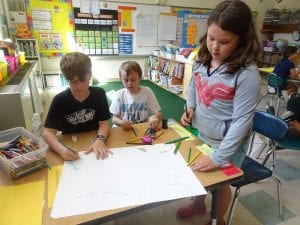 We’ve begun learning more about multiplication. We’ve learned a bit about arrays and function or ratio tables. We’ve learned that the first factor in a multiplication equation stands for the number of groups and that the second factor stands for the amount in each group. We know that multiplication is a way to add more quickly.
While working with some array worksheets, the class realized how learning multiplication would be a good thing. It will help us with accuracy and allow us to complete our problem solving work more efficiently. It is fun to see the children excited to solve math problems. At first the problems felt hard and now they are becoming easier. Many of the children are able to finish three and four problems in a work session. It is great to see their focus and dedication to learning new things.
Air + Water + Temperature = Weather
We’ve continued to explore weather and extreme conditions. The week we read more about tornadoes. We’ve learned that they can form at the edges of hurricanes, but that they are usually separate. We learned about their different ratings and the reason they can be so devastating. It is amazing to learn that the winds in tornadoes cannot be officially measured – they are only estimates because people can’t get close enough to be certain.
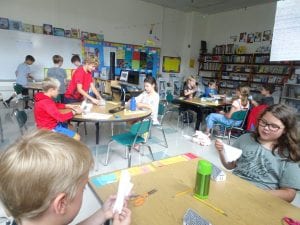 This week we worked on a design challenge. The children built a house and a wind maker (a.k.a. – fan) and then had to figure out how to change their design so the roof and house could withstand a storm. It was a lesson in dealing with frustration and difficulty for some. It was challenging when some ideas worked, while others did not. It was challenging to see those missteps as something to learn from too. We know some of what to try again another time and what not to try as well.
Bits and Pieces –
- We’re learning about both weather and history by reading I Survived The Children’s Blizzard of 1888.
- We are looking forward to our visit from Hayley LaPoint, WMUR meteorologist. She’ll be joining us on October 4 to share her passion for science, meteorology and her belief that you can do anything you set out to do.
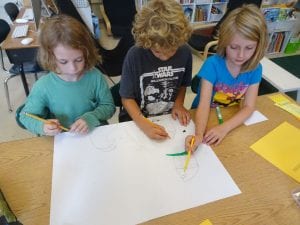 We’ll be blogging next week. We’re excited about this.
- We’ll have a Fire Safety presentation on October 11 with the North Hampton Fire Department.
- Curriculum Night is October 11. There will be two 45-minute grade level presentations, one at 5:00 and another at 6:15. We’ll be sending you more information about this next week.

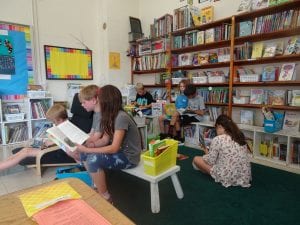
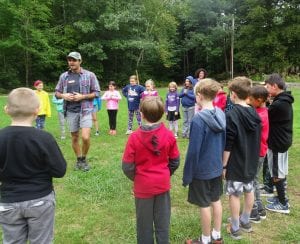
 Mowgli welcomed us to Camp Lincoln at the picnic tables. We followed him to the sports field. He had us make a big circle with our entire grade. We played a game about well we listen. He also taught us a game called Knee Tag. In Knee Tag you are safe if you put your hands on your knees. When your hands are on your knees you can’t move. Mowgli and Riptide also led us in the Clap, Jump, Spin and Run game. It was lots of fun too.
 After the games we went on a nature walk with Wolf. First, we visited the farm animals. We saw chickens, ducks, goats and sheep. Then, we found plants we could eat. We found wintergreen and Indian cucumbers. The wintergreen tasted and smelled like root beer!. To find an Indian cucumber, look near water. Be careful when looking for the Indian cucumber. Dig around the stem and you will find a white root! Clean it off and taste it! It tasted like a carrot! After that, we made
 Nature Tea. We used hot water, wintergreen leaves, and pine needles. Some of us thought it was delicious, and some of us through it was yucky! Finally, we reached the Point. There were trees that had been struck by lightning. They had stripes and broken branches. We had lots of fun on our nature walk. “AROOH!!!”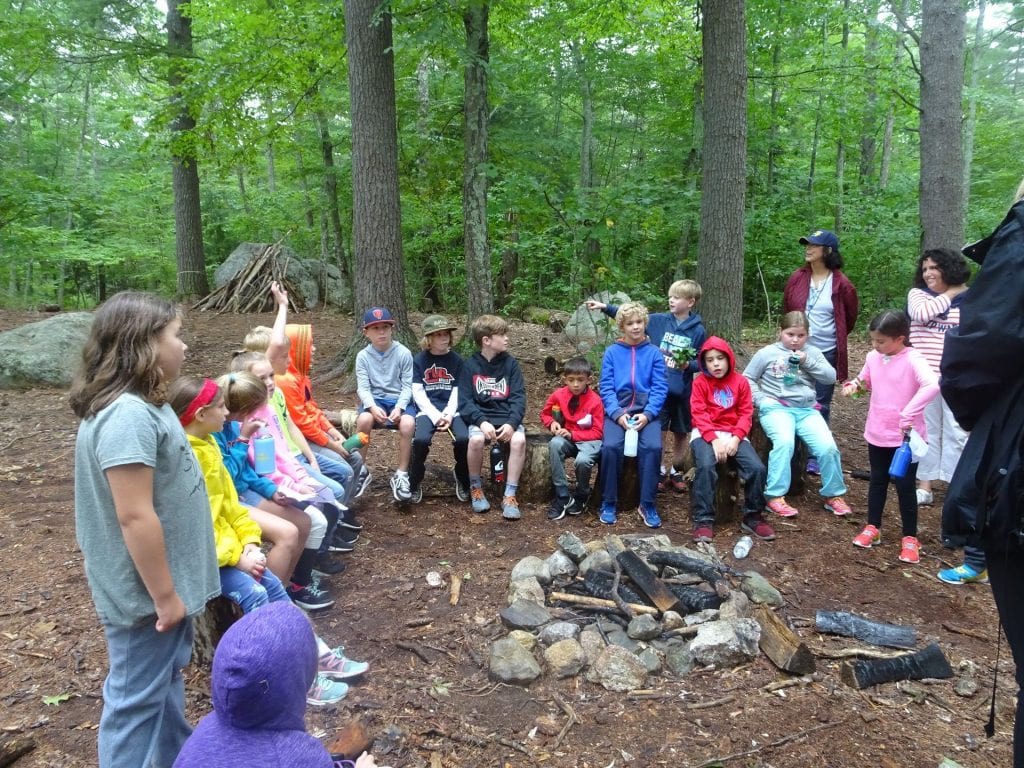
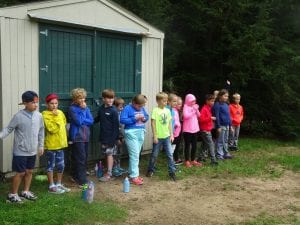
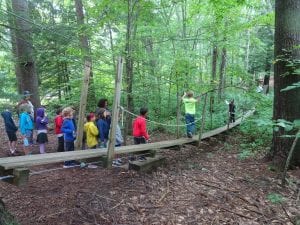
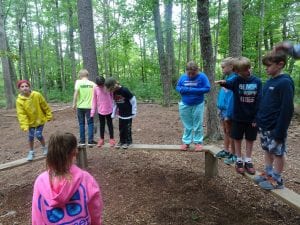
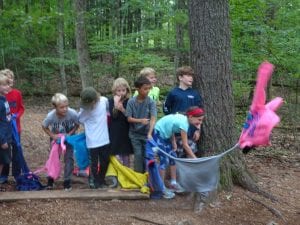
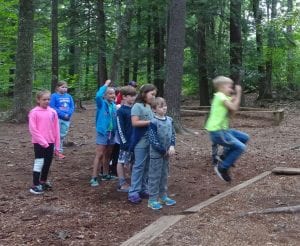
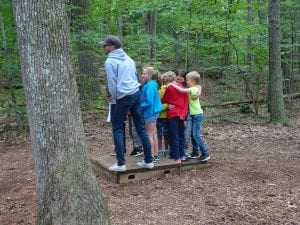
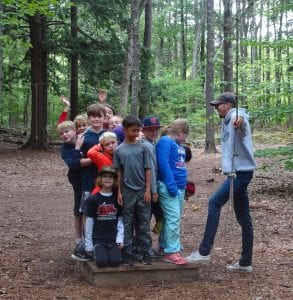 For the third part of our day, we began playing a game like Red Light, Green Light to steal a counselor, Riptide’s keys. Once we got his keys we “drove” to the “zoo.” We crossed a rickety-rockety bridge over a swamp to get there. Once we got to the “zoo” we sorted out our animal names by size: small, medium, and large. We didn’t like the orders at the zoo, so we ran away. We (the animals) had to cross over a “peanut butter pit,” but first we had to get the rope. We made a lasso out of our sweatshirts to reach it. When we had the rope we had to swing across to escape the zookeepers. There was only one tiny boat for all of us to fit on. We swung across one at a time. We huddled together like penguins on the boat so everyone was safe. Our escape was a success. And our adventure was lots of fun!
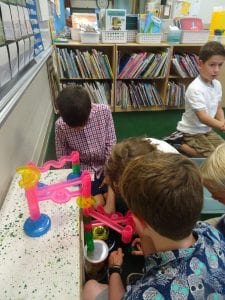 What a great week full of firsts! We had our first indoor recess and picture day. We had our first field trip. Going to Camp Lincoln on Thursday was wonderful. We continued to learn more about hurricanes and other rainy weather. We did some math fact checks and began to explore multiplication. I’d say 3E is a pretty nice, learning place to be. We’re smoothing out the kinks in our schedule and finding time for learning to combine with fun, action, literacy and art.
 If you haven’t yet subscribed to the class blog, please do. On the blog you can see many of the things we’re doing in our classroom and as a class. In a couple weeks your children will each be posting on their own blogs as well. If you go down below, the subscribe box is at the bottom of the right-hand sidebar.
 Each day the children follow an agenda for the day. This helps them know what to expect. We talk about it each day at Morning Meeting and discuss places where we may need to be flexible with the timing and respectful of each other’s learning styles. We all take different amounts of time to do things. At their table seats they have a more detailed copy of “Our Day” to follow. At the end of each day or the morning of the next day, they’ve been asked to highlight some time of the day when learning stood out to them. This practice helps us learn more about reflection and metacognition. Metacognition, thinking about your thinking, strengthens and deepens learning. These weekly reflections (I’m guessing it will take us a two of three weeks before we’re really benefitting from the routine) will become the foundation of our learning portfolios. You may want to talk to your child about what he/she found most significant this week and why. Doing this, will only add to your child’s learning and growth. Thank you!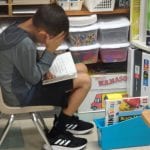
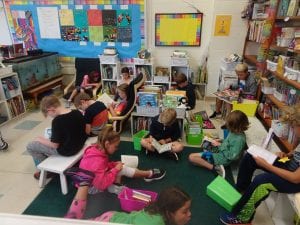 We learned about Howard Gardener’s Theory of Multiple Intelligences. We discovered there are lots of ways to be “smart” – eight, in fact. We know that everyone is some of all eight of the intelligences, but interests and experiences help us strengthen some more than others. We use some of the intelligences more than others because we find them interesting or we feel good when involved with those kinds of activities.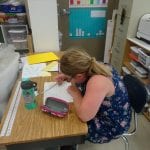
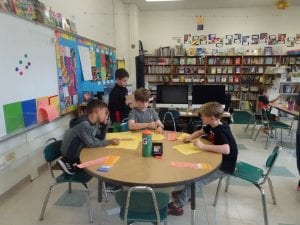 In science we explored the difference between climate and weather. Through a Mystery Science video and activity we learned where different climate zone are in the world. Our map shows tropical, polar, temperate and mild climates. We did not add the deserts, but we know there is a fifth climate zone.
 When I asked, everyone in the class thought they were not quite ready to begin learning multiplication. They thought doing multiplication would be hard. Then we got started and learned multiplication is a faster way of adding. If we have lots of groups that are the same we can find the total with multiplication – and save ourselves counting mistakes. We’ve discovered, t the start, multiplication isn’t all that difficult. This week we’ve been exploring multiplication as repeated addition and looking for how groups repeat. We’ve surprised ourselves by realizing we already know quite a bit about multiplication because we know about skip counting.
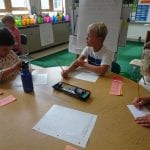 We finished our second chapter read-aloud, Phineas L. MacGuire – Erupts. Several of the kids said, “That’s it. It’s over? That’s the ending.” It is a little bit of a surprise. It seems like the story is about winning the science fair and proving who is the best scientist, but actually it’s about friendship and learning to be confident about who you are.
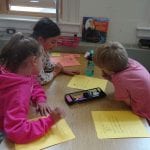 We continued on with some beginning assessments. This week we did some math fact checks. The end of the year goal is that children know all 70 addition and subtraction facts in 5 minutes or less. The reason for this, is that knowing math facts instantly without counting on or back makes more difficult math that much easier. That said, we also realize that the timed format of these check don’t work well for all children. They know the facts, but feel anxious about the format. Please don’t focus on the score. If possible focus on improvement. Play games where there is a lot of repetition – dice games are great for that. They more they practice, the easier they’ll be. Thank you!
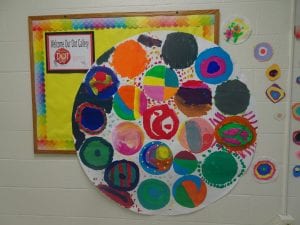
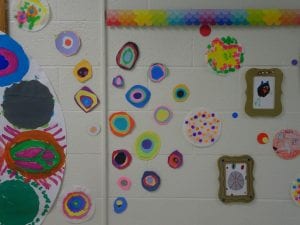
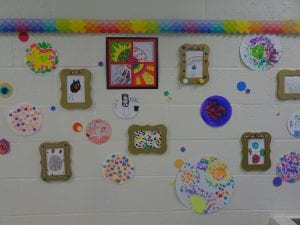
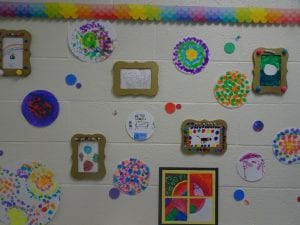
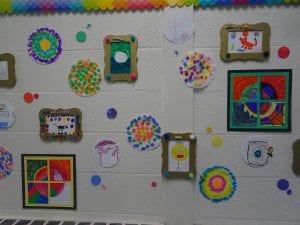
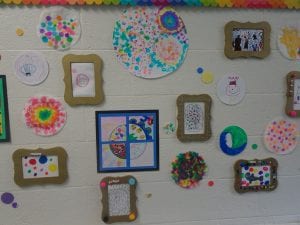
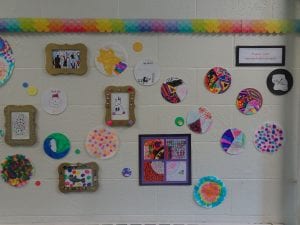
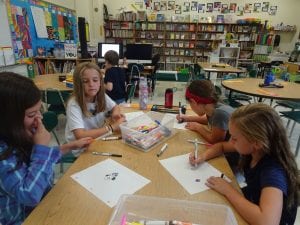
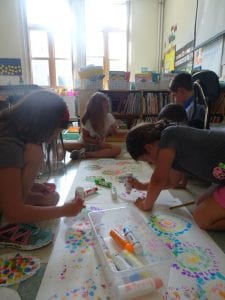
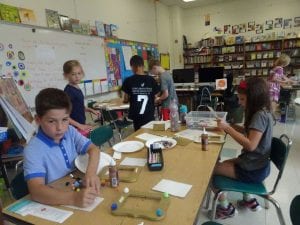
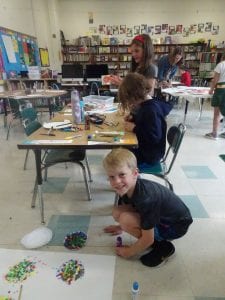
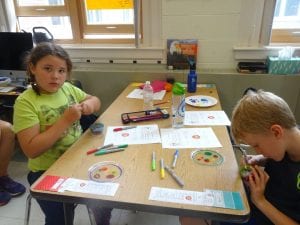
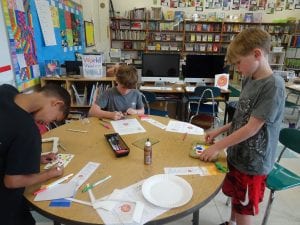
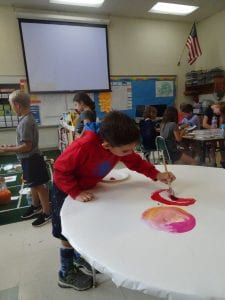
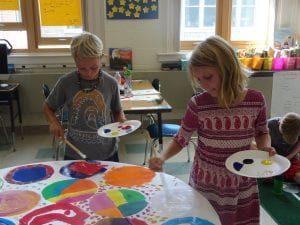
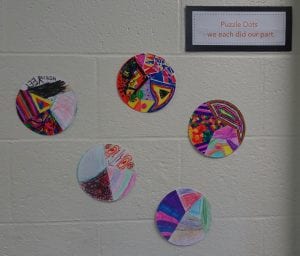
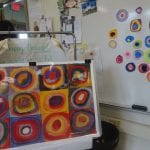 We began our day making Kandinsky Dots.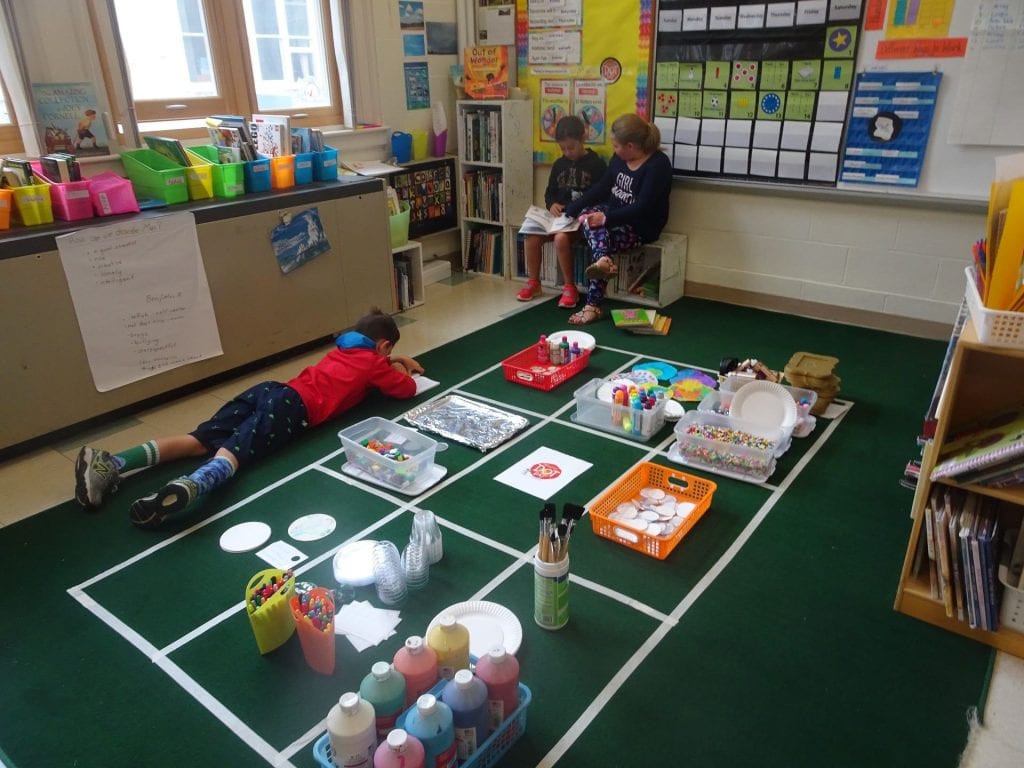
 Here’s what we can learn from this story:
 People can draw. Be patient and try.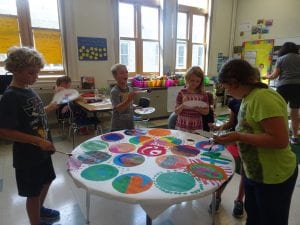
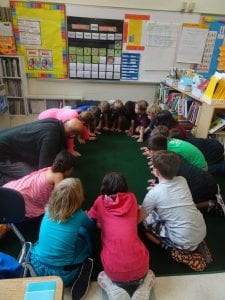 We’ve been reading a variety of biographies to see if we can discover the habits these famous people have that have leading them to success. We’ve read about scientists, Carl Sagan and Albert Einstein, athlete, Michael Jordan, artist, Henri Rousseau and farmer, Snowflake Bentley. We discovered that no matter what their passions, they all had certain habits that helped them succeed. Here’s our list.
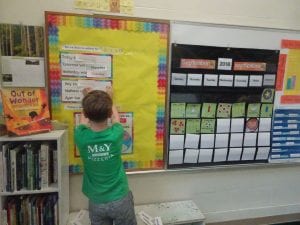 We’ve continued with our study of weather. We’ve learned more about the water cycle and terms like evaporation, condensation, transpiration and precipitation. We spent time exploring the details of storm clouds. We learned how we could make weather predictions based on the clouds we see in the sky and knowing the direction the wind is blowing. It’s pretty complicated, but also fun.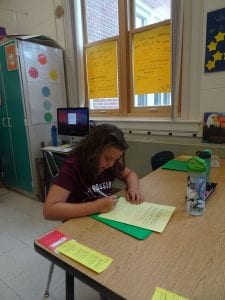
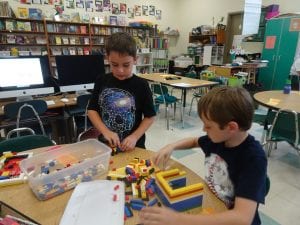
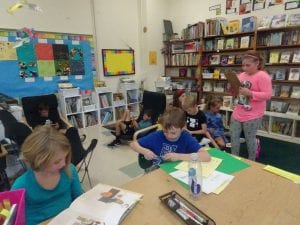 We’ve begun learning about multiplication. We learned how to play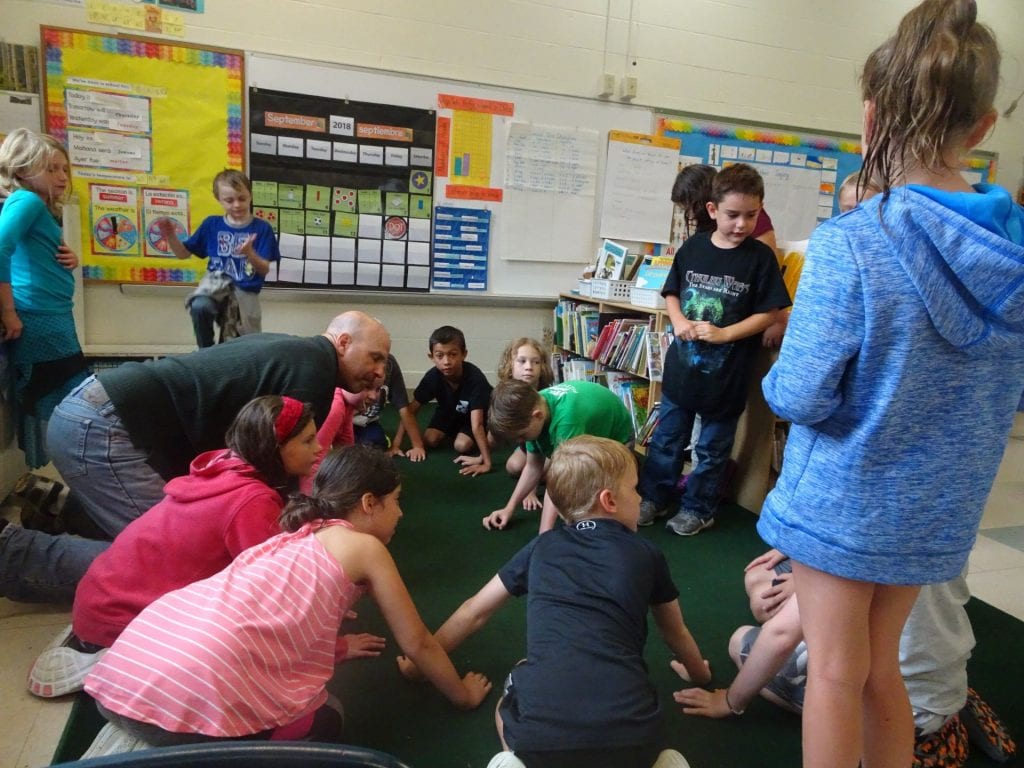
 Ask your child about Dot Day. See if they can explain why it is celebrated on September 15th each year. We’re excited about the possibility of making our marks to see where they take us. Here are our initial goals for the school year.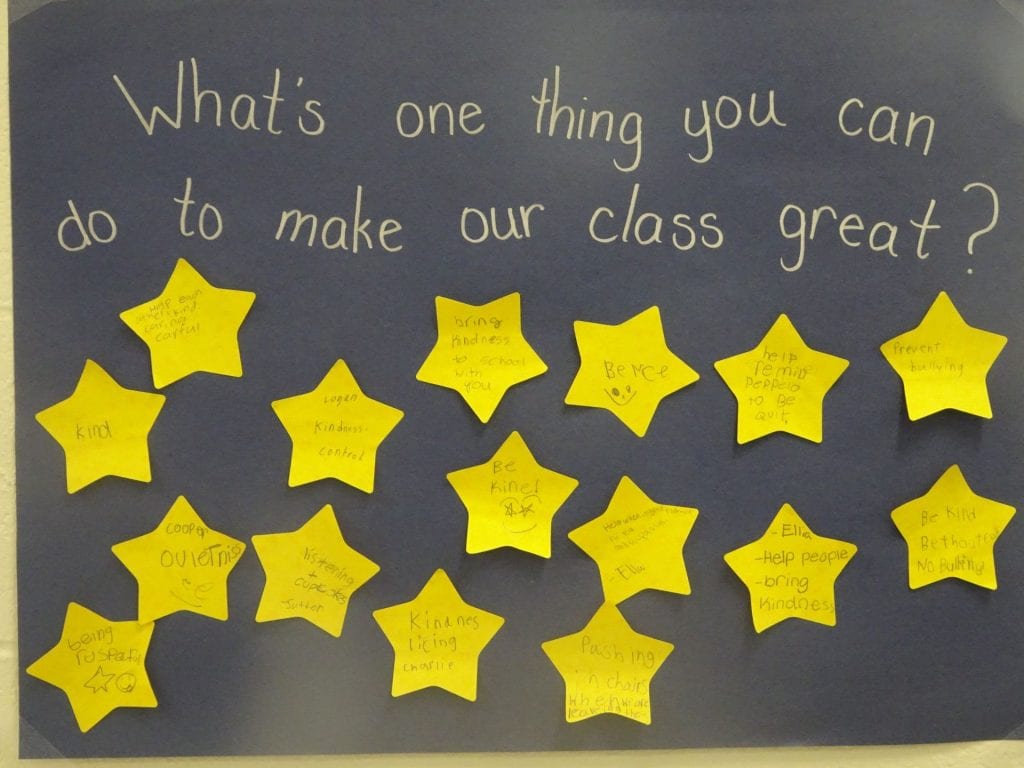
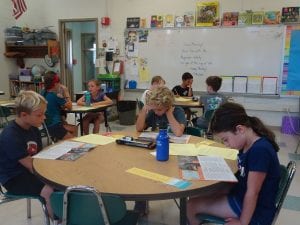 We’ve made it through another melting week. Your children have been awesome. Each day we learn a little bit more about each other and find ways to establish a classroom community that will allow us to do our best alone and succeed together. Here’s hoping this is the last of the hot and humid weather. But if not, I’m looking on the bright side – it is far better to be hot and looking forward to the school year, than being hot and wishing for summer vacation. Despite the heat, we are having a great time sharing books, writing stories, poems and reading responses, solving problems and exploring science. It is really nice to be together.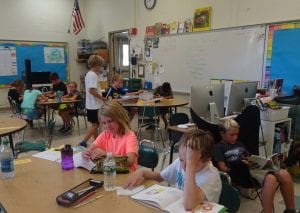
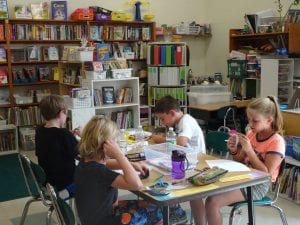 This week we learned more about different cloud types. We created our own mini-clouds to discover what exactly clouds are made of. Ask your child what they did to make it. See if they can tell you how clouds feel – are they fluffy, sticky, soft or misty? Ask your child about the lab and see what they can remember to tell you.
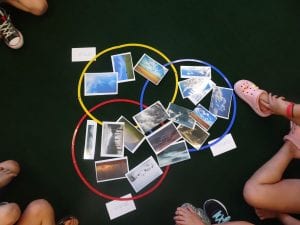 are also learning about the Water Cycle. We are learning lots of vocabulary like evaporation, water vapor, droplets, condensation and precipitation. At this point we’re not always certain yet which term is which, but we’ll get there.
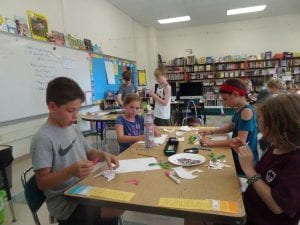 We also began a Mind Map of interests, passions, favorites and/or hobbies. The children placed themselves in the middle of the maps and drew out connections and sub-connections. We’ll be using these next week to learn about paragraphing and to learn about the blogging process. Our first blog post will be on paper. First we’ll do the writing. Next we’ll create and search for the images that will illustrate the important parts of the writing and finally we’ll “post” it for comments. Before we comment on each other’s writing, the class will learn how to write comments that are positive, specific and helpful. We’ll invite classmates and other familiar adults in the school to make comments on post-its to attach to the paper blogs.
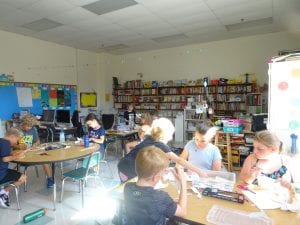 Once we are familiar with the blogging sequence – message to share, images to illustrate the message – post and (hopefully) comment – the student blogs will be set so each child can begin sharing posts for you and the world to read.
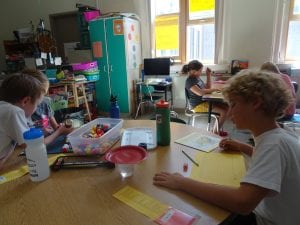 We have begun our second chapter read aloud, Phineas L. MacGuire…Erupts! This book is also part of a series that explores science and the scientific process. This series is realistic fiction.